Rack elevation
Map panels, switches, PDUs, equipment depth, free U space, entry points, and front-to-rear pathways before choosing each manager position.

Focused product range
Match the exact SP-CM model photograph to the real number and diameter of cords, panel and switch positions, fiber bend limits, entry direction, label access, airflow, and moves-and-changes plan. Rack units alone do not define the layout.
System role
Available directions
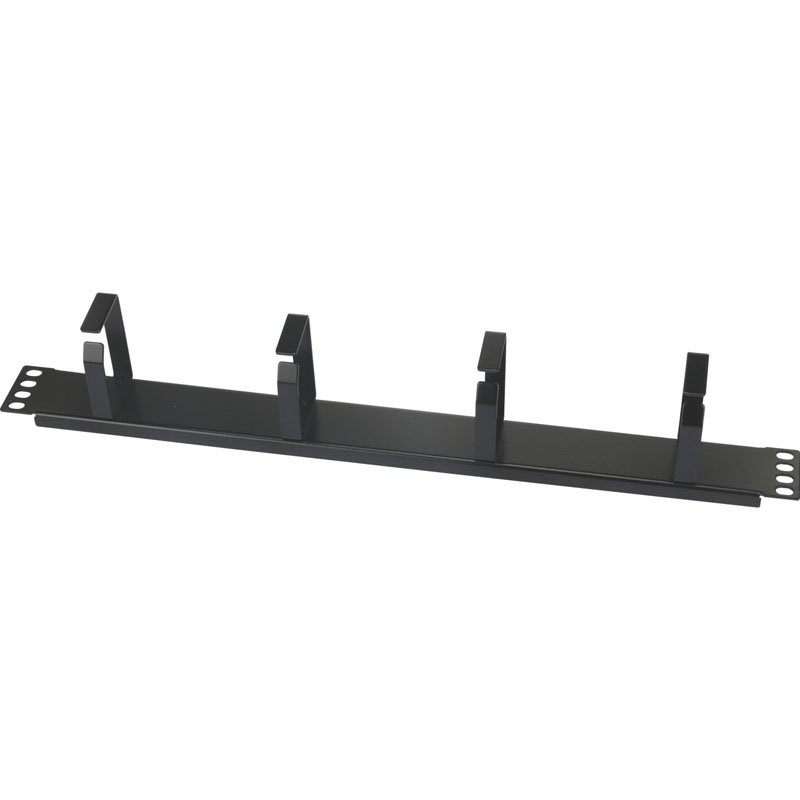
Rack / Cable Management
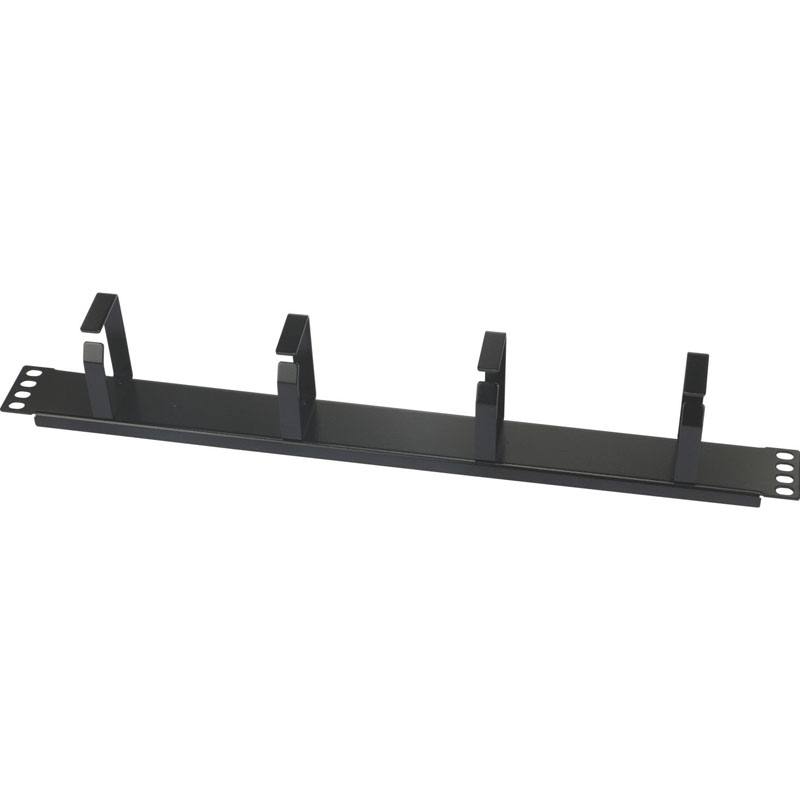
Rack / Open-Ring Cable Management
Rack / Pass-Through Panel
Rack / Network Cabinet
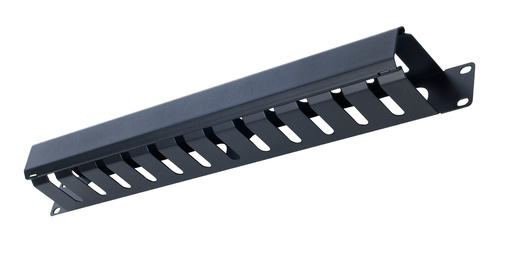
Rack / Horizontal Cable Management
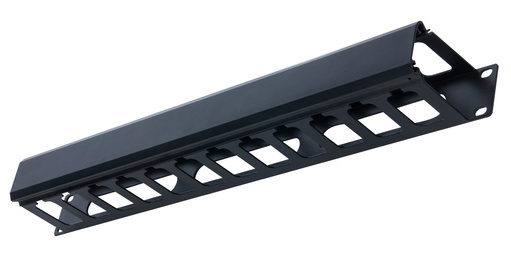
Rack / Horizontal Cable Management
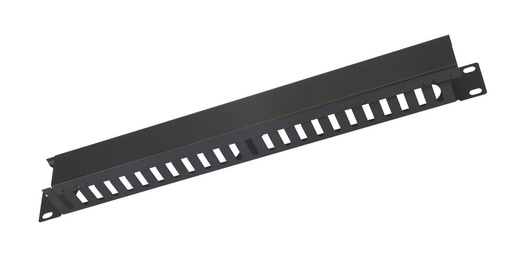
Rack / Horizontal Cable Management
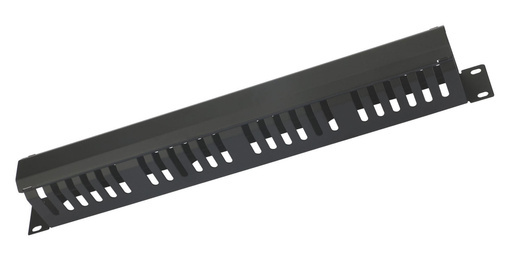
Rack / Horizontal Cable Management
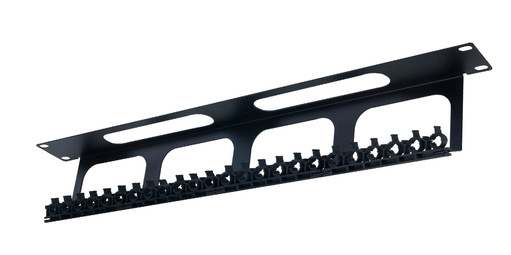
Rack / Horizontal Cable Management
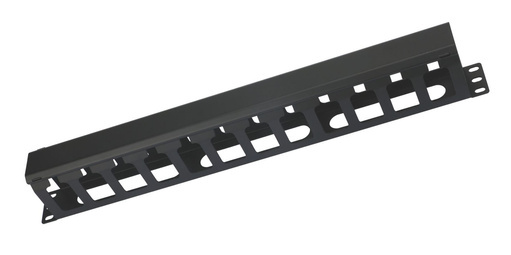
Rack / Horizontal Cable Management
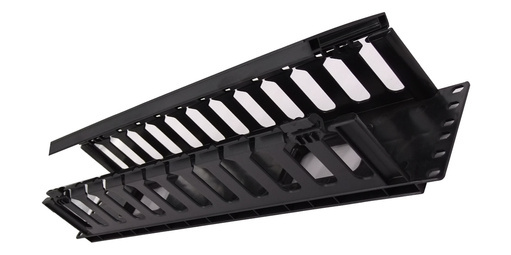
Rack / Horizontal Cable Management
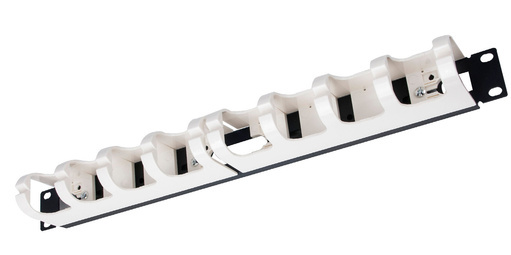
Rack / Open-Ring Cable Management
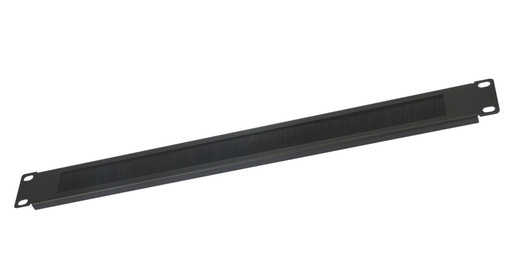
Rack / Brush Panel
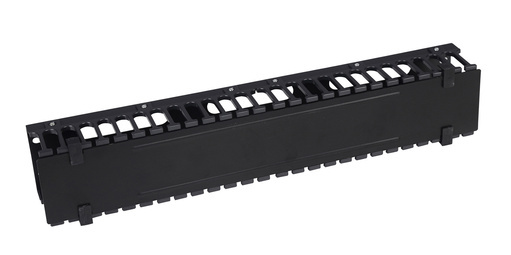
Rack / Horizontal Cable Management
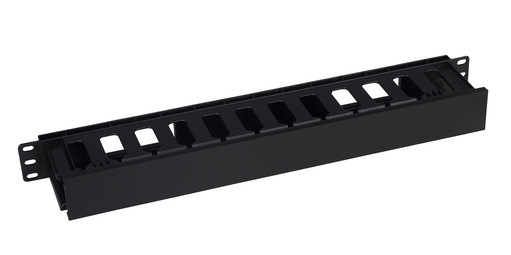
Rack / Horizontal Cable Management
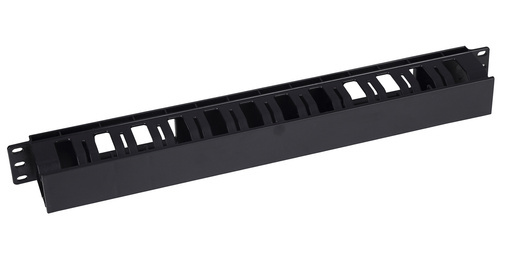
Rack / Horizontal Cable Management
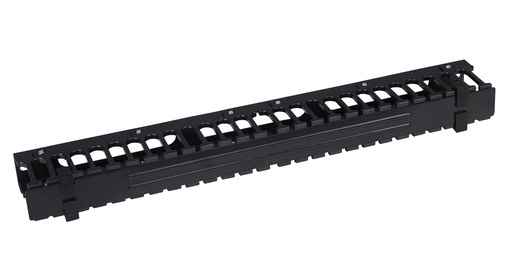
Rack / Horizontal Cable Management
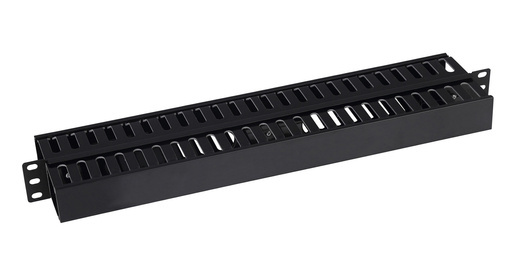
Rack / Horizontal Cable Management
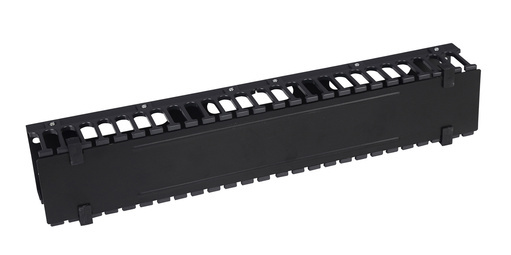
Rack / Horizontal Cable Management
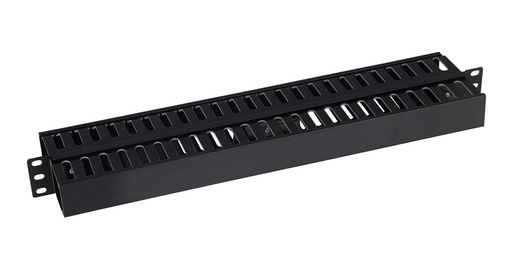
Rack / Horizontal Cable Management
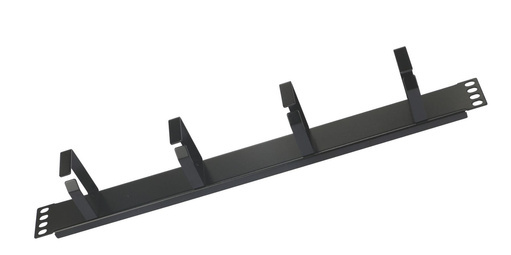
Rack / Open-Ring Cable Management
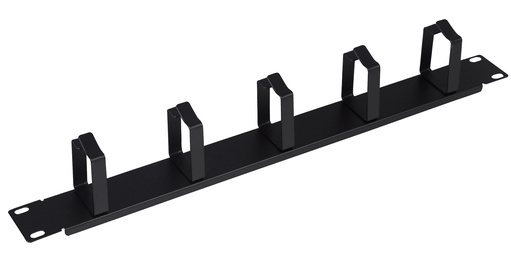
Rack / Open-Ring Cable Management
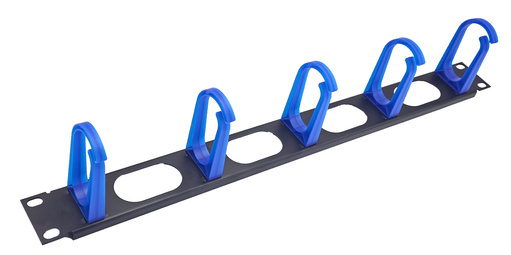
Rack / Open-Ring Cable Management
Selection framework
Map panels, switches, PDUs, equipment depth, free U space, entry points, and front-to-rear pathways before choosing each manager position.
Count cords by diameter and route, then check ring or duct fill, cover access, exit spacing, bend radius, strain, and future additions.
Keep connector latches, labels, panel screws, airflow, equipment replacement, and moves-and-changes work accessible after the rack is dressed.
Confirm 19-inch mounting, rack units, width and depth, side or rear pathways, grounding, brush entries, door clearance, accessories, and packing.
Buyer questions
These answers help define the requirement. Final limits and evidence still depend on the exact quoted construction.
There is no reliable answer from rack height alone. Use cord count, outside diameter, bend radius, routing direction, ring or duct dimensions, fill target, label access, and future additions.
A brush panel supports front-to-rear or compartment pass-through while reducing the open gap. Confirm cable quantity, connector size, pull direction, bend protection, airflow, and whether sealing or fire requirements apply.
They can share parts of a rack plan only when separation, bend radius, strain, access, identification, and service practices remain controlled. Fiber should not be forced around copper bundle geometry.
Technical resources
Compare loaded and unloaded copper patch panels, port density, termination style, shielding, labeling, rear support, and rack-management requirements.
7 min read · Read guide →02 / Fiber guideSize rack and wall fiber enclosures from incoming cable, splice method, fiber count, adapter density, connector polish, slack storage, labeling, and future capacity.
7 min read · Read guide →03 / Procurement guideTurn a product list into a usable structured-cabling BOQ with exact models, configuration fields, quantities, relationships, documents, packaging, and revision control.
6 min read · Read guide →Quotation input
Attach a BOQ, drawing, schedule, reference datasheet, network diagram, or approval sample whenever available.