Cable fit
Check solid or stranded conductor, gauge range, insulation diameter, cable OD, shield termination, and strain relief before approving the jack.

Focused product range
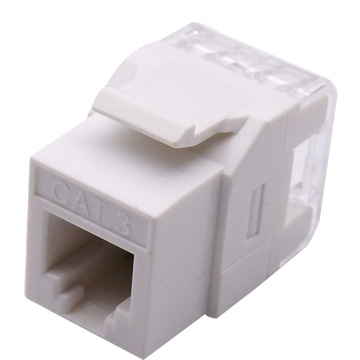
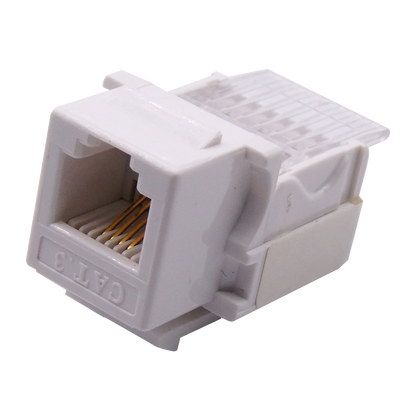
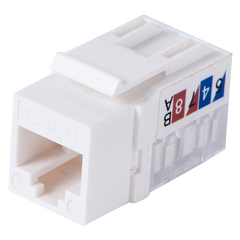
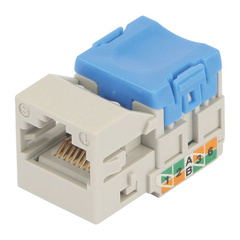
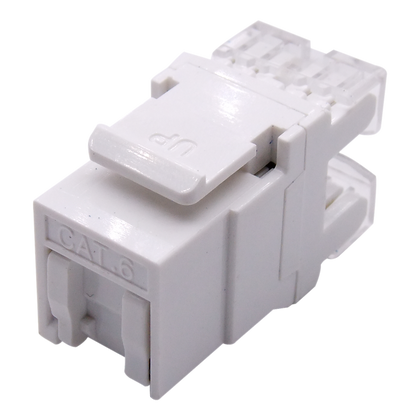
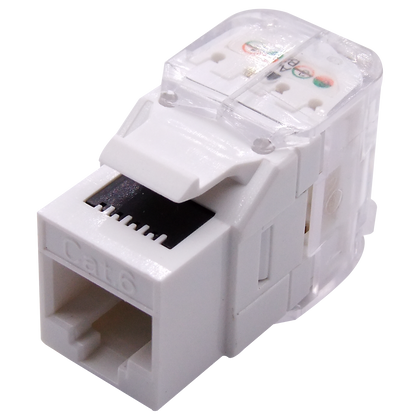
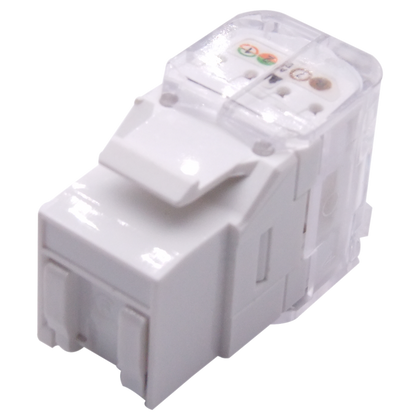
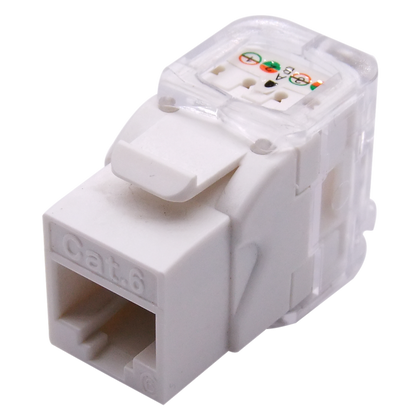
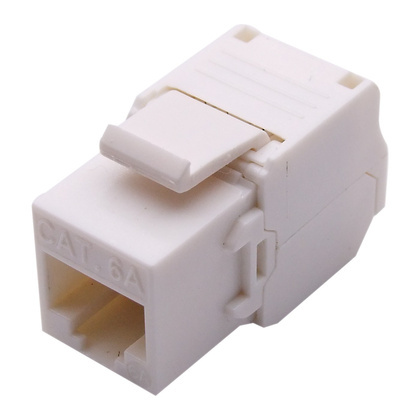
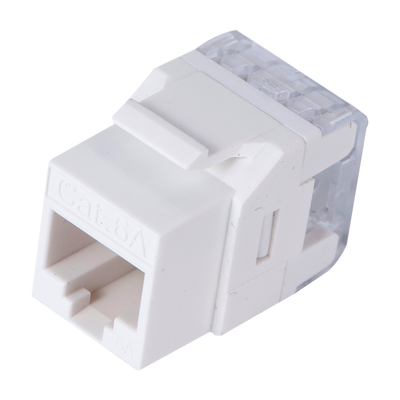
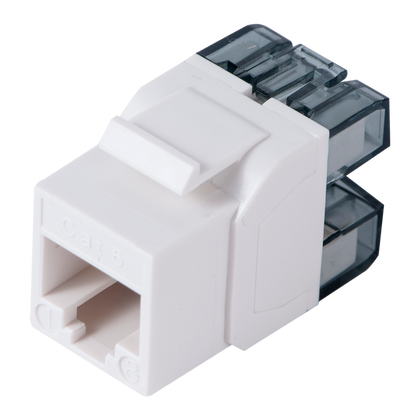
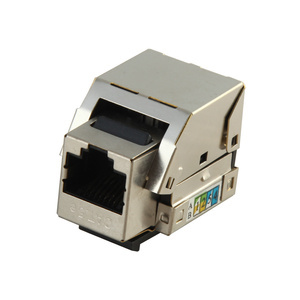
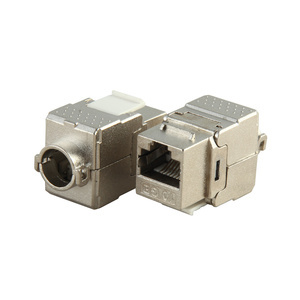
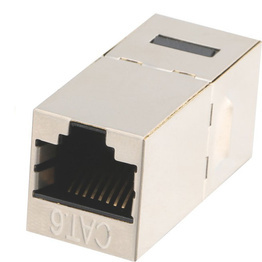
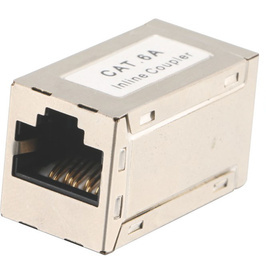
Compare the supplied SUNPU catalogue photographs and model tables, then choose the jack around category, shielding, conductor range, cable diameter, termination method, rear clearance, mounting opening, and the complete copper-link basis.
System role
Available directions
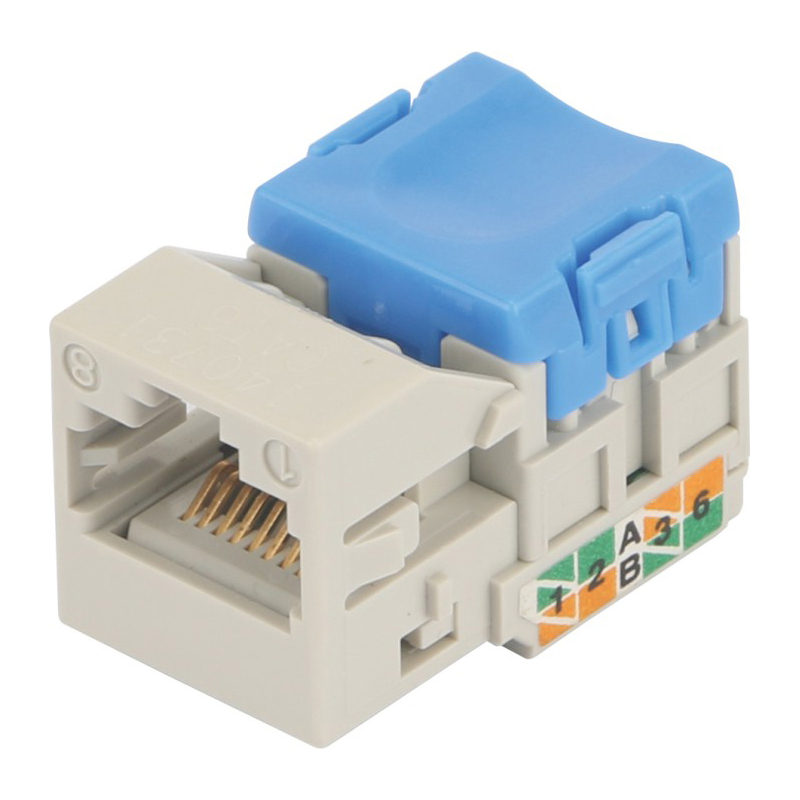
Connectivity / Keystone Jack
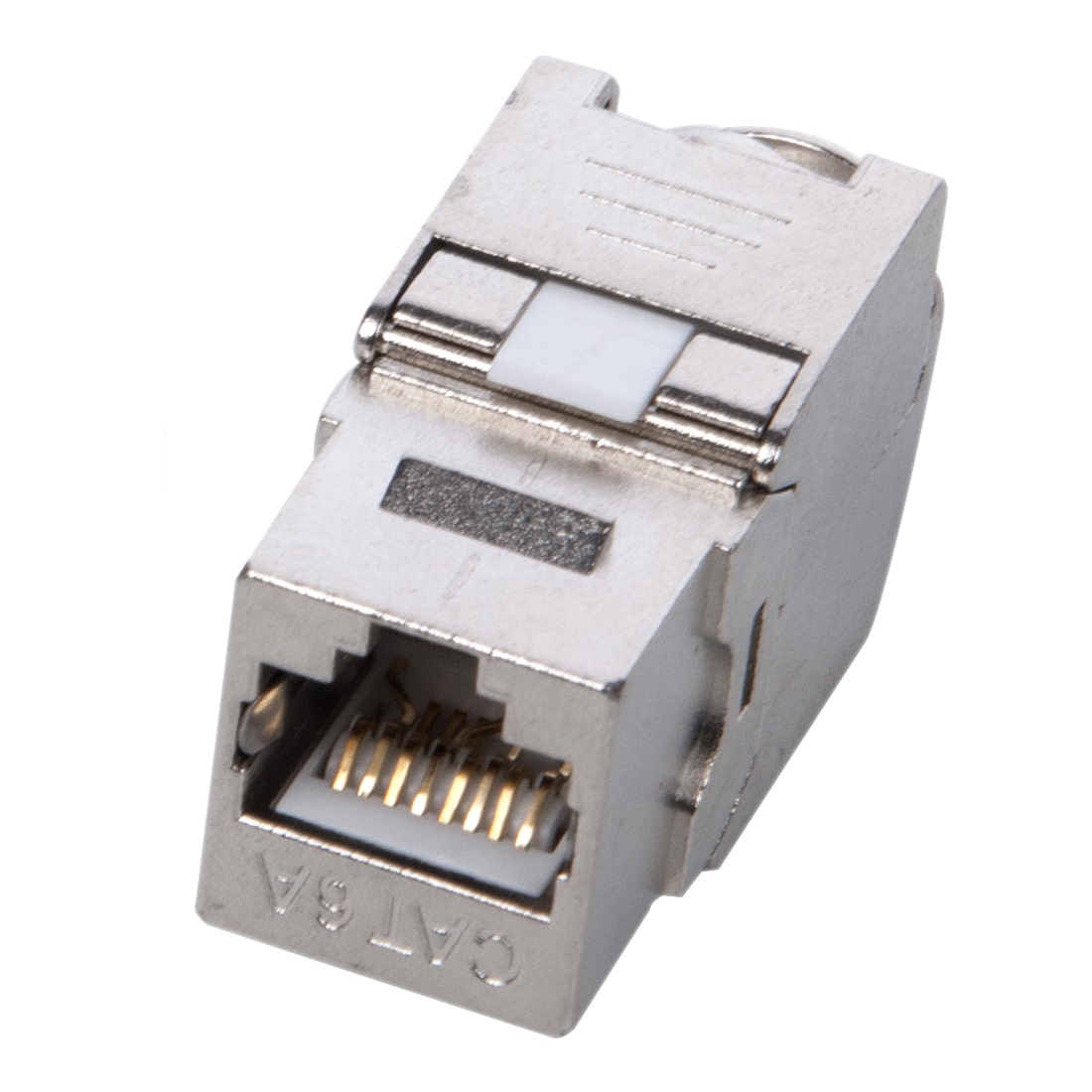
Connectivity / Keystone Jack
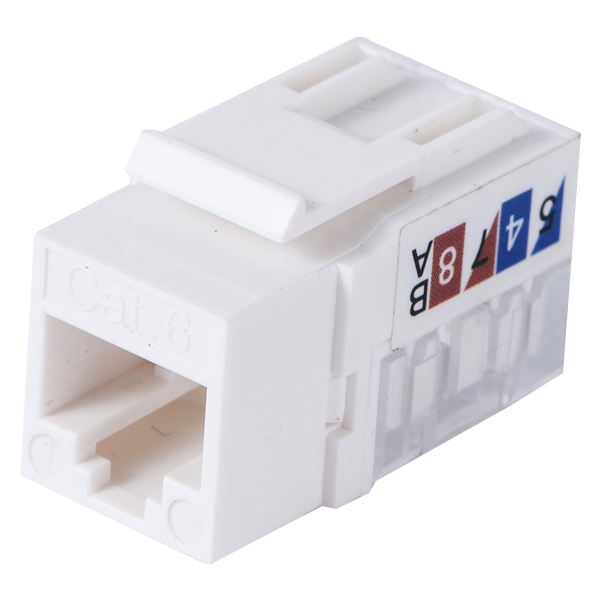
Connectivity / Keystone Jack
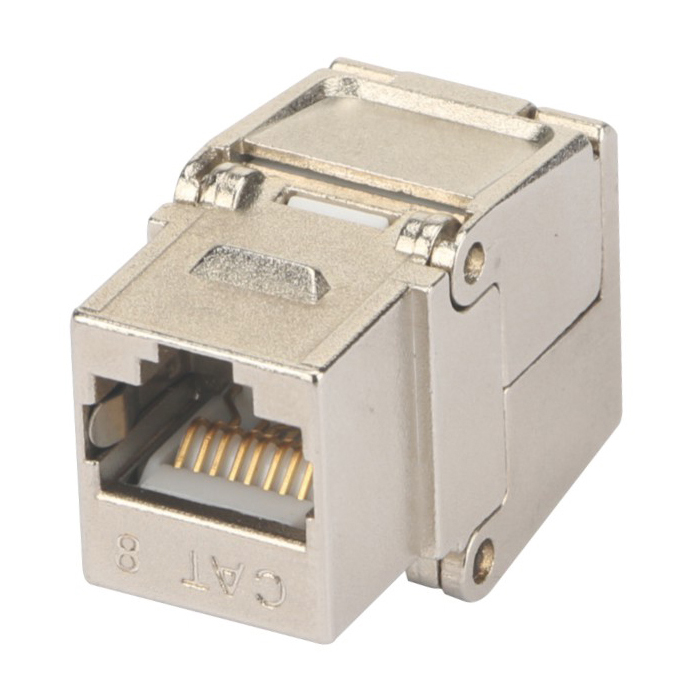
Connectivity / Keystone Jack
Connectivity / Keystone Jack
Connectivity / Keystone Jack
Connectivity / Keystone Jack
Connectivity / Keystone Jack
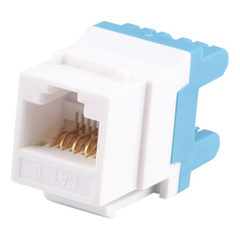
Connectivity / Keystone Jack
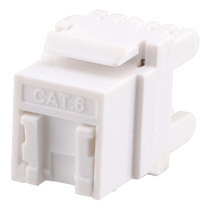
Connectivity / Keystone Jack
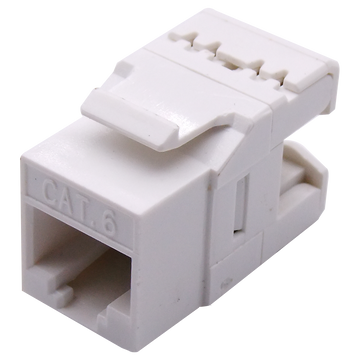
Connectivity / Keystone Jack
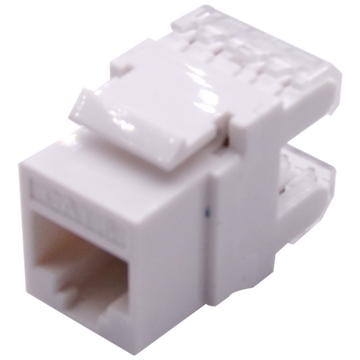
Connectivity / Keystone Jack
Connectivity / Keystone Jack
Connectivity / Keystone Jack
Connectivity / Keystone Jack
Connectivity / Keystone Jack
Connectivity / Keystone Jack
Connectivity / Keystone Jack
Connectivity / Keystone Jack
Connectivity / Keystone Jack
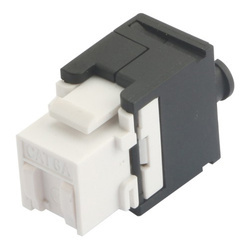
Connectivity / Keystone Jack
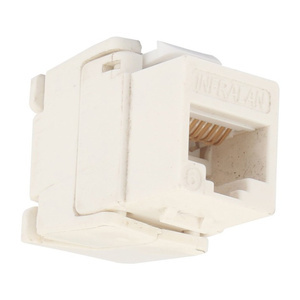
Connectivity / Keystone Jack
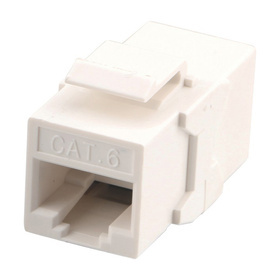
Connectivity / Keystone Jack
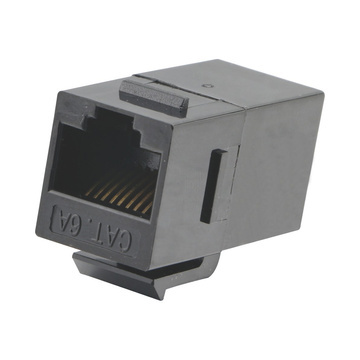
Connectivity / RJ45 Inline Coupler
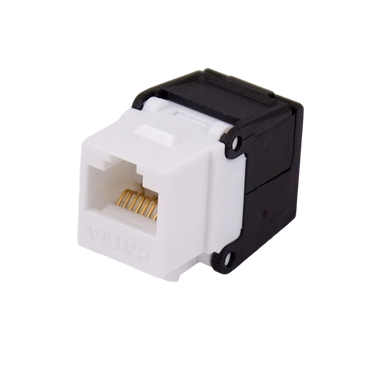
Connectivity / Keystone Jack
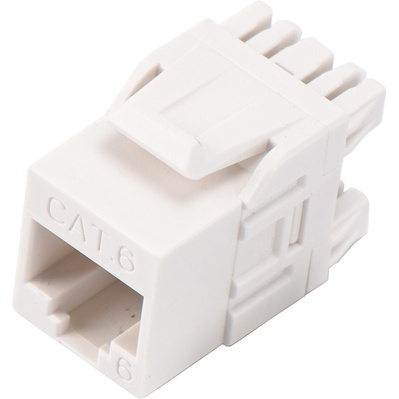
Connectivity / Keystone Jack
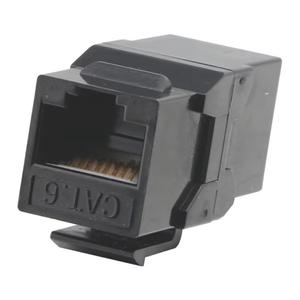
Connectivity / Keystone Jack
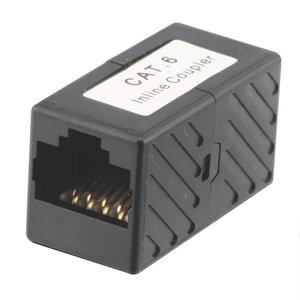
Connectivity / RJ45 Inline Coupler
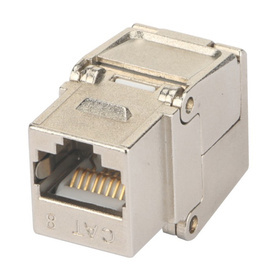
Connectivity / Keystone Jack
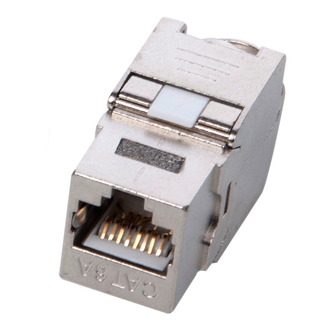
Connectivity / Keystone Jack
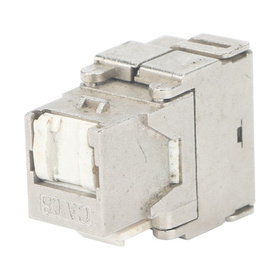
Connectivity / Keystone Jack
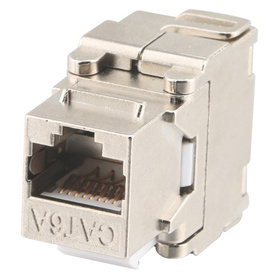
Connectivity / RJ45 Inline Coupler
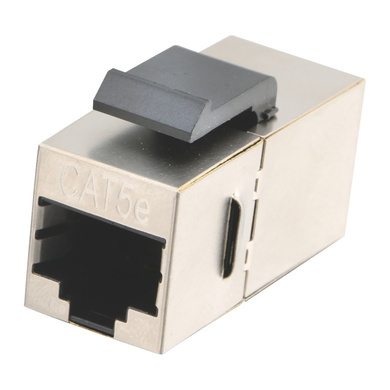
Connectivity / RJ45 Inline Coupler
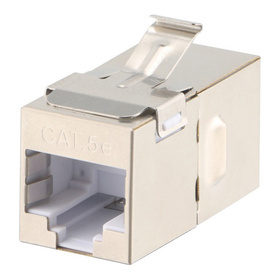
Connectivity / RJ45 Inline Coupler
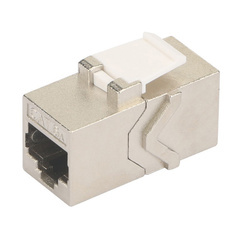
Connectivity / RJ45 Inline Coupler
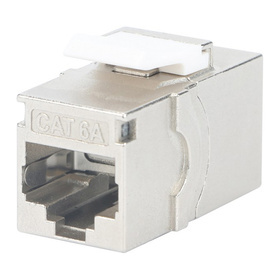
Connectivity / RJ45 Inline Coupler
Connectivity / RJ45 Inline Coupler
Connectivity / Keystone Jack
Connectivity / RJ45 Inline Coupler
Connectivity / RJ45 Inline Coupler
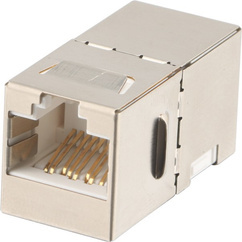
Connectivity / RJ45 Inline Coupler
Selection framework
Check solid or stranded conductor, gauge range, insulation diameter, cable OD, shield termination, and strain relief before approving the jack.
Compare punch-down, toolless, and coupler formats by tooling, pair management, closing force, rear depth, installer speed, and rework method.
Confirm keystone opening, latch geometry, orientation, dust shutter, label access, adjacent-port clearance, and removal method.
Lock housing color, markings, wiring label, packaging, included accessories, model code, and the sample used for repeat production.
Buyer questions
These answers help define the requirement. Final limits and evidence still depend on the exact quoted construction.
No. The mounting concept is common, but body width, depth, latch geometry, shutter, label area, cable entry, and neighboring-port clearance can differ. Confirm the exact panel or faceplate opening.
Choose around conductor range, cable OD, termination volume, available tools, rear clearance, grounding, and installer practice. Both formats still require correct pair geometry and a defined installation method.
The cable screen, jack body, panel or outlet, patch cord, rack bonding, and grounding design must form a planned pathway. Review each interface rather than treating the metal housing as sufficient by itself.
Technical resources
Compare loaded and unloaded copper patch panels, port density, termination style, shielding, labeling, rear support, and rack-management requirements.
7 min read · Read guide →02 / Copper guideA practical Cat6A channel checklist covering topology, cable, shielding, jacket, connecting hardware, installation conditions, and acceptance testing.
7 min read · Read guide →03 / Quality guideEvaluate cabling certificates, declarations, test reports, and quality records by model, construction, standard, scope, revision, and issuing body.
6 min read · Read guide →Quotation input
Attach a BOQ, drawing, schedule, reference datasheet, network diagram, or approval sample whenever available.